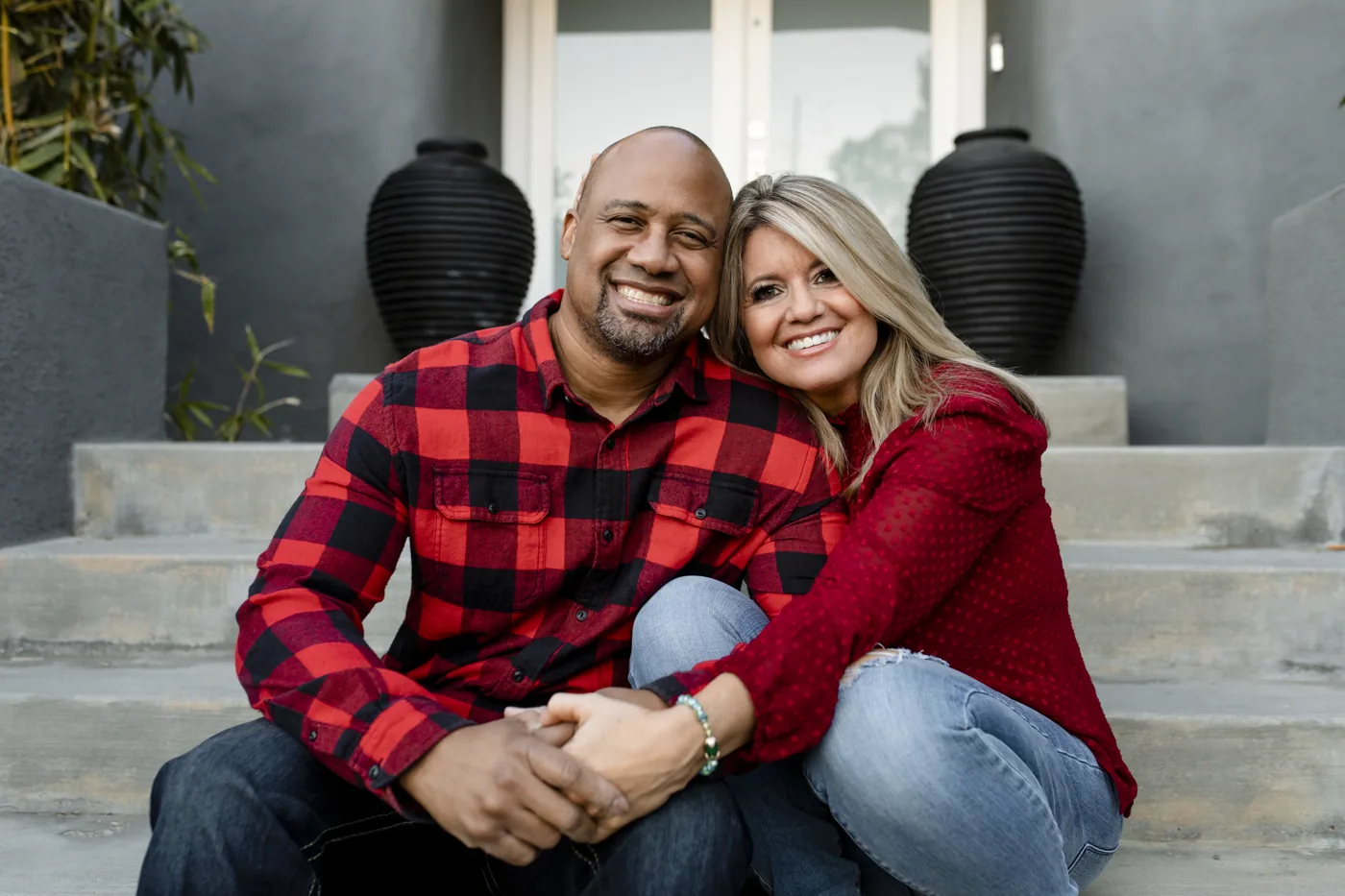
Date the Life You Have, Not an Imagined Blank Calendar
You may be balancing work, children, care for relatives, a full social life, or none of those particular responsibilities. The point is to identify your actual availability rather than assuming that dating should look as it did at another age. A sustainable plan begins with the week you really have.
Consider what kind of time you could enjoy sharing. A planned evening, a weekend afternoon, or a slower sequence of dates may fit better than frequent last-minute invitations. State that as useful information, not an apology. A compatible person needs to understand the shape of your life.
An illustrative profile line might be: “My weekdays are busy, but I make time for a relationship and prefer planning ahead.” That says more than claiming to be spontaneous when you are rarely available at short notice. Honesty about time can prevent a match from interpreting every scheduling constraint as lack of interest.
The questions before meeting guide helps clarify logistics early without turning the conversation into an interview. You are deciding whether a first meeting fits, not whether two complete lives can be merged immediately.
Reconsider Which Preferences Still Matter
By your forties, you may have clear preferences from experience, but some may reflect an earlier stage of life. Ask which qualities support the relationship you want now and which are habits you have not revisited. Shared values and reliable communication may matter more than reproducing a familiar type.
Keep this separate from lowering standards because of HSV. Flexibility about hobbies or a preferred neighborhood is different from tolerating dishonesty or pressure. A person who accepts your diagnosis still needs to be someone whose behavior and goals fit your life.
The dating standards guide helps make that distinction. You can be more open to difference and more definite about essential boundaries at the same time. Experience should give you information, not a reason to assume that every future person will repeat an old pattern.
If you have never had a long relationship, that does not make your preferences less valid. Dating over 40 is not one shared biography. Describe your own experience accurately without feeling required to present a conventional history to appear credible.
Keep Parenting and Care Responsibilities in Proportion
If you are a parent or caregiver, communicate the practical effect on availability without exposing another person's private information. A date may need to know that plans require notice, but not a child's school, a relative's diagnosis, or a detailed care schedule.
Do not assume that a new partner should immediately join those responsibilities. Let the relationship develop before introducing them into family routines. Likewise, notice whether someone treats your commitments as obstacles they must compete with rather than parts of a life they are choosing to know.
The single-parent guide offers more specific discussion of children and introductions. If that does not describe you, leave it aside. A child-free person may still have a full life and need a partner who respects work, friendships, and time alone.
A useful early conversation is about expectations: how often you would like to meet, how much notice helps, and what flexibility is possible. Those details can reveal compatibility more accurately than a broad claim that both people are serious about dating.
Bring HSV Into the Present Connection
Whether the diagnosis is recent or longstanding, a new person needs relevant information before physical contact. You do not have to explain the entire history of previous relationships or prove that the diagnosis fits a particular life story. State what you know and leave room for questions.
The disclosure timing guide focuses on likely contact and freedom to decide. A busy calendar can make it tempting to compress everything into one evening; resist letting limited time create pressure for an immediate physical decision.
If a match needs more information, reliable general sources and individual clinical advice can help. You are not responsible for guaranteeing an outcome or teaching every detail. The sexual health conversation guide makes the discussion reciprocal rather than a one-sided explanation from the person with HSV.
You can enjoy a nonphysical first meeting while deciding whether there is enough interest for another. A date does not need to solve both attraction and every future health question before it can be worthwhile.
Choose a Dating Routine That Respects Your Attention
Online dating can expand introductions beyond an established social circle, but it can also consume small pieces of attention throughout the day. Decide how much time you want to give it and what would make a conversation worth continuing toward a meeting.
MPWH offers a herpes-focused context. Before assuming it fits your area or age preferences, assess the actual experience and current access. This guide does not promise a dedicated over-40 pool or particular matching filters. The online dating guide compares specialized and broader routes without inventing availability.
A few relevant conversations may be more useful than maintaining many exchanges that never lead to a plan. If messaging becomes another obligation, review your pace. The burnout guide offers ways to reduce pressure without deciding that dating is impossible.
Keep offline life active too. Introductions through friends or shared interests can complement app use, provided you retain control over disclosure. You do not have to tell a friend to screen people by health status in order to accept an introduction.
Discuss the Future Before Assuming You Want the Same One
Two people over 40 may have very different goals around children, marriage, living together, relocation, or financial independence. Ask about those subjects as the connection develops rather than assuming age creates agreement. Be honest about decisions you have made and questions you have not settled.
You do not need to conduct a life-planning interview on the first date. You do need to avoid allowing a promising connection to grow around incompatible assumptions. The serious dating guide focuses on compatible intentions, while exclusivity is a separate agreement that should be stated directly.
A worthwhile relationship may add to an established life rather than replace it. You can want closeness and retain friendships, routines, and time alone. The person you date should be able to know the life you have now, not only a version redesigned to make the relationship easier.
Start with a manageable invitation and your own honest curiosity. Herpes is relevant information, but the fuller question is whether this person fits the way you want to live and love from here.