
Dating Guide
Herpes Dating: Meet Singles and Find Your Direction
Choose shared-status dating, broader dating, or offline introductions.
Read the GuideBrowse herpes dating guides by the question you are answering today. Choose a topic below for practical advice on meeting, disclosure, confidence, relationships, and MPWH. Each card opens a focused guide; you can move between related topics as your dating life changes.

Compare an HSV-focused service, broader dating, and introductions through friends. Choose a route that fits your privacy and relationship goals.
Choose shared-status dating, broader dating, or offline introductions.
Read the Guide
Compare discovery channels without treating support groups as prospect lists.
Read the Guide
Evaluate specialized versus general platforms and manageable discovery.
Read the Guide
Request introductions without delegating health disclosure.
Read the GuideClarify type and location terminology, or choose a guide for dating a partner who has disclosed.

Navigate type and site terminology to the appropriate dating guide.
Read the Guide
Handle type versus site and cold-sore terminology in new connections.
Read the Guide
Keep partner standards and dating goals beyond a specific diagnosis.
Read the Guide
Plan early affection when kissing precedes a sexual-health discussion.
Read the Guide
Separate first meetings from genital intimacy and changed physical plans.
Read the Guide
Compare conversational timing by site without a hierarchy of worth.
Read the Guide
Clarify type, site, and early kissing choices as a prospective partner.
Read the Guide
Evaluate partner readiness and shared responsibility using reliable information.
Read the Guide
Separate virus type, infection site, and personal clinical questions when partners describe different diagnoses.
Read the GuideFind timing guidance, text examples, spoken approaches, and help with different responses.

Choose timing, format, and response resources.
Read the GuideDecide timing by contemplated contact rather than date numbers.
Read the Guide
Choose and adapt written messages with privacy and follow-up tradeoffs.
Read the GuideManage spoken disclosure, interruptions, silence, and setting.
Read the Guide
Close an unwanted connection and distinguish refusal from humiliation.
Read the GuideGive an immediate respectful response while reserving time to decide.
Read the GuideMove from public profiles to private discussion without assuming consent.
Read the GuideTranslate acceptance into specific decisions without blanket consent.
Read the GuideChoose support for a new start, self-image, anxiety, standards, or a deliberate break.

Restore agency across dating decisions without a recovery deadline.
Read the Guide
Use readiness signals and a reversible first attempt.
Read the Guide
Reconnect with self-expression without dependence on dating approval.
Read the Guide
Interrupt rumination through bounded preparation and support.
Read the Guide
Design a break or smaller routine when dating becomes exhausting.
Read the Guide
Distinguish preferences from boundaries when acceptance creates pressure.
Read the Guide
Choose a manageable first step after diagnosis, without imposing a deadline on readiness.
Read the GuideCreate a recognizable introduction, protect identifying details, and move a reciprocal conversation toward a meeting.

Choose accurate portraits without revealing identifying details.
Read the Guide
Choose public versus private status discussion, separate from pre-intimacy consent.
Read the GuideWrite useful specificity without work, home, or child identifiers.
Read the Guide
Check intentions and reciprocity without a medical interrogation.
Read the GuidePlan a remote chemistry check without false verification guarantees.
Read the Guide
Recognize enough information to invite a date and distinguish avoidance.
Read the Guide
Compare natural bio examples and introduce interests, intentions, and personality in your own voice.
Read the Guide
Start a personal exchange, contribute something of your own, and recognize reciprocity.
Read the GuidePlan an enjoyable public date, manage nerves, and decide what the experience means afterward.

Choose conversational activities with exit flexibility.
Read the Guide
Prepare the hours before and during a first meeting.
Read the Guide
Evaluate follow-through without accelerated commitment.
Read the Guide
Own venue, transport, check-in, exit, and changed-plan decisions.
Read the Guide
Distinguish chemistry mismatch, discourtesy, and boundary violations.
Read the Guide
Turn mutual interest into a practical invitation, public meeting, and thoughtful follow-up.
Read the GuideExplore shared responsibility, exclusivity, distance, marriage, and returning after a relationship ends.

Coordinate health discussions, affection, conflict, and commitment.
Read the Guide
Understand a new partner without turning them into a risk score.
Read the Guide
Avoid equating shared diagnosis labels with identical facts or consent.
Read the Guide
Coordinate responsibility without rescuer and danger roles.
Read the Guide
Revisit routines and preferences after initial disclosure is long finished.
Read the Guide
Discuss commitment, privacy, family boundaries, and future planning.
Read the GuideOffer specific support while respecting autonomy.
Read the Guide
Define exclusivity, app use, and health discussions explicitly.
Read the Guide
Reenter dating after losing a familiar disclosure context.
Read the Guide
Separate divorce logistics, co-parenting, and unfamiliar dating.
Read the Guide
Plan visits without pressure from travel costs or expectations.
Read the GuideDiscuss contact, protection questions, and nonsexual closeness without making assumptions about consent.

Name contact preferences and respond to pressure against boundaries.
Read the GuideDiscuss mutual knowledge, uncertainty, and testing questions.
Read the GuideTurn prevention facts into clinician questions and shared preferences.
Read the Guide
Build nonsexual closeness without medical assumptions about contact.
Read the Guide
Prepare a clear health conversation before intimacy, with room for questions and choices.
Read the GuideFind guidance for age, identity, parenting, work, faith, access needs, widowhood, and asexual dating.
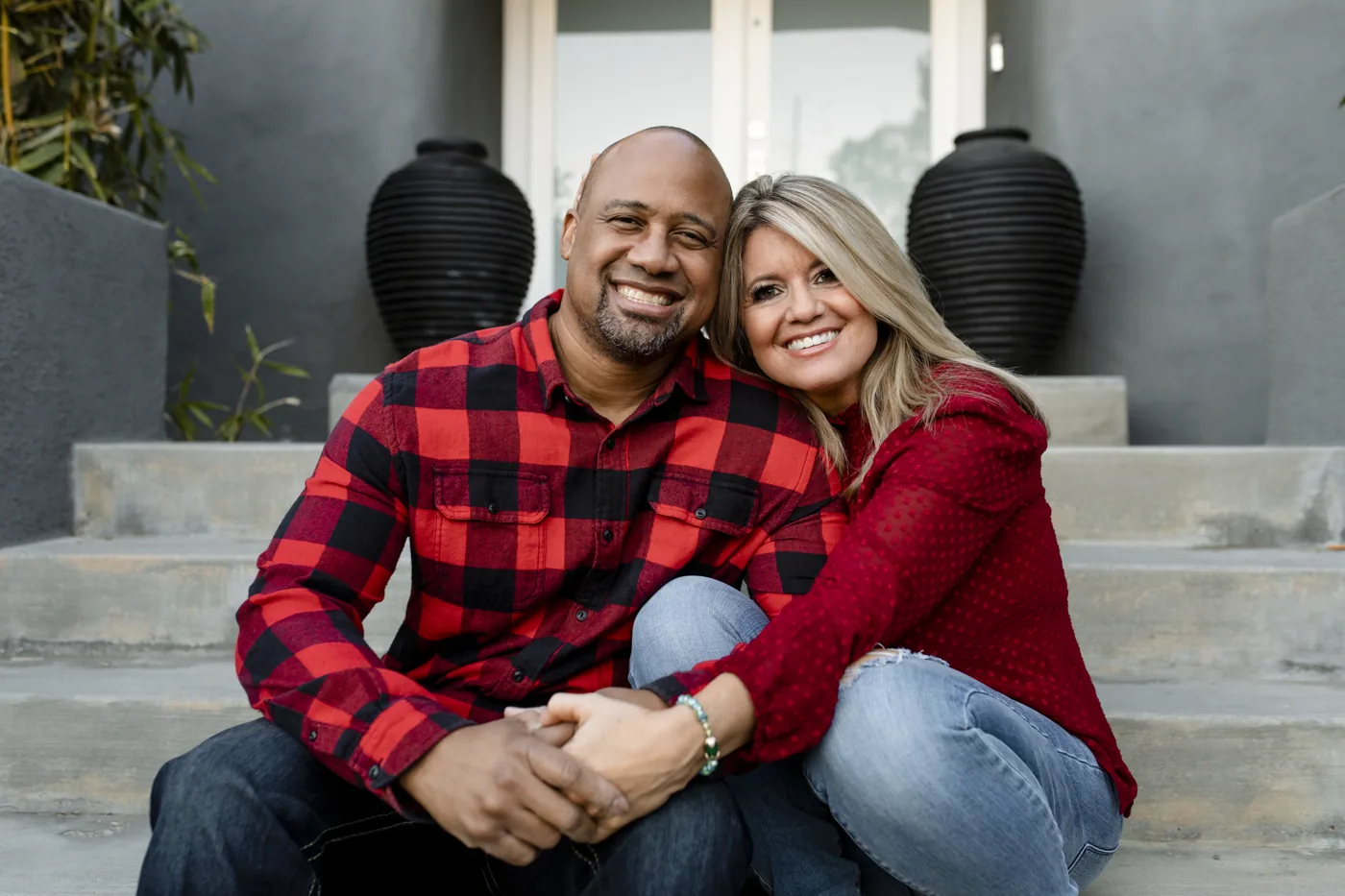
Find relevant guidance without implying separate membership pools.
Read the GuideAddress unequal health labor and pressure to prove desirability.
Read the GuideAddress emotional reserve and initiative without persuasion.
Read the Guide
Handle small-network privacy and assumptions about sex or goals.
Read the Guide
Address overlapping circles and mistaken immunity assumptions.
Read the Guide
Separate bisexuality from nonmonogamy and manage double disclosure.
Read the GuideSeparate gender and health conversations and protect bodily autonomy.
Read the GuideBalance routines, caregiving, and goals without assumed parenthood.
Read the Guide
Discuss independence and privacy with adult family.
Read the Guide
Consider living apart, transport, retirement differences, and sexual agency.
Read the GuideSeparate parenting details from adult health conversations.
Read the Guide
Manage workplace overlap, time, and identifying profile details.
Read the GuideDiscuss faith compatibility and confidentiality without theological verdicts.
Read the GuideSeparate access planning from disclosure and assumptions about dependence.
Read the Guide
Handle remembrance and unfamiliar disclosure without a grief timeline.
Read the Guide
Distinguish romantic attraction, affection, and sexual preferences.
Read the GuideClarify commitment, casual expectations, or agreements across multiple consensual connections.

Evaluate consistency instead of equating acceptance with commitment.
Read the GuideState casual intentions and handle changing feelings responsibly.
Read the GuideCoordinate changing agreements and information across partners.
Read the GuideProtect information, recognize manipulation, and respond to judgment or a breach of confidentiality.
Balance discoverability with selective disclosure and personal privacy.
Read the GuideSpot diagnosis-related emotional leverage and payment pressure.
Read the GuideStage release of contact, location, and work details.
Read the GuideContain disclosure and preserve evidence without jurisdictional legal advice.
Read the Guide
Recognize stigmatizing language and choose dignified corrections.
Read the GuideRespond to jokes and invasive questions with graduated boundaries.
Read the GuideRead product information about membership, registration, privacy, and the iPhone and Android apps.
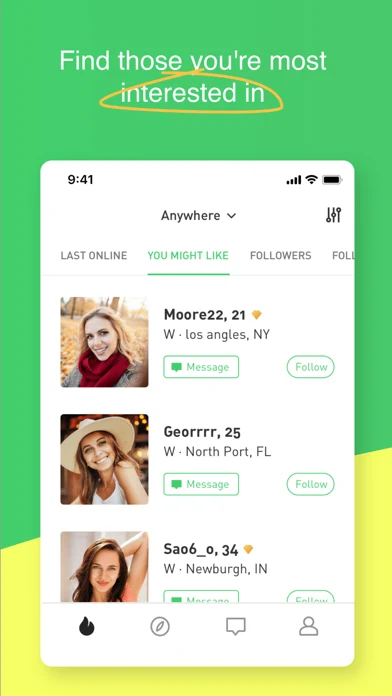
Is this service a good fit for the way I want to date?
Read the Guide
What happens between joining and actually talking to someone?
Read the Guide
What should I prepare before registering?
Read the Guide
What do I need to pay for and when does paying make sense?
Read the Guide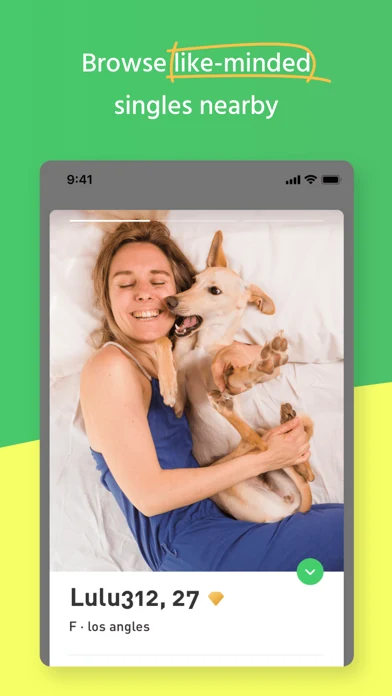
Which mobile option helps me keep dating conversations going?
Read the Guide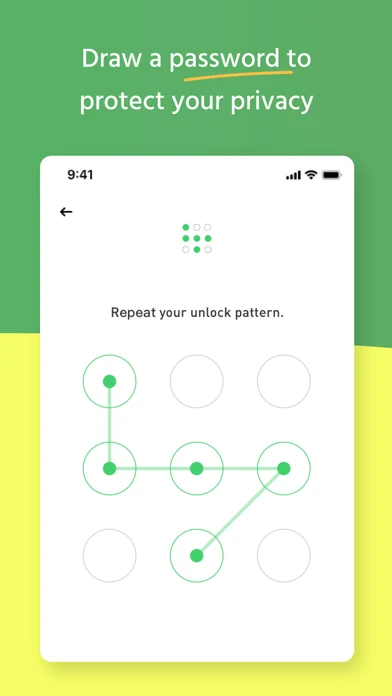
How can I use the iPhone app for dating and manage Apple purchases?
Read the Guide
How do I identify the Android listing and start using it?
Read the Guide
Which privacy controls help and what do they not prove?
Read the Guide