Give Each Dating Profile Photo a Different Job
A useful set does not require a large number of images. Begin with a clear portrait, then consider an activity or setting that adds something the portrait cannot. A second photograph should help someone learn about you, not simply repeat the same pose in another outfit.
For example, a portrait can show what you look like now, while a photo from a public garden can introduce an interest in being outdoors. A picture of a meal you made might support a conversation, but should not replace every image of you if the service expects recognizable personal photos.
Think about the question a viewer could ask after each image. If the only possible response is another comment about appearance, consider whether a different photo would offer more conversational room. Shared HSV may provide context on MPWH; your images can help introduce the rest of your life.
Choose Recognition Over a Perfect Angle
A recent photograph in natural light is often more useful than an older image you consider more flattering. A date should be able to recognize you without feeling that the profile described a different person. Changes in hairstyle, facial hair, or appearance are ordinary; your main photo should reasonably reflect the present.
Heavy smoothing, face reshaping, or misleading angles can create pressure to maintain an image that does not feel like you. Editing brightness or cropping a distracting edge is different from changing the person. Ask whether the photograph is an honest introduction rather than whether it removes every feature you feel uncertain about.
If looking at photos has become painful after diagnosis, the guide to feeling attractive again addresses that experience. A new diagnosis does not make a familiar face dishonest or less worthy of being shown. You can choose a photograph slowly without turning selection into a judgment about your whole appearance.
Make the Main Image Easy to Read
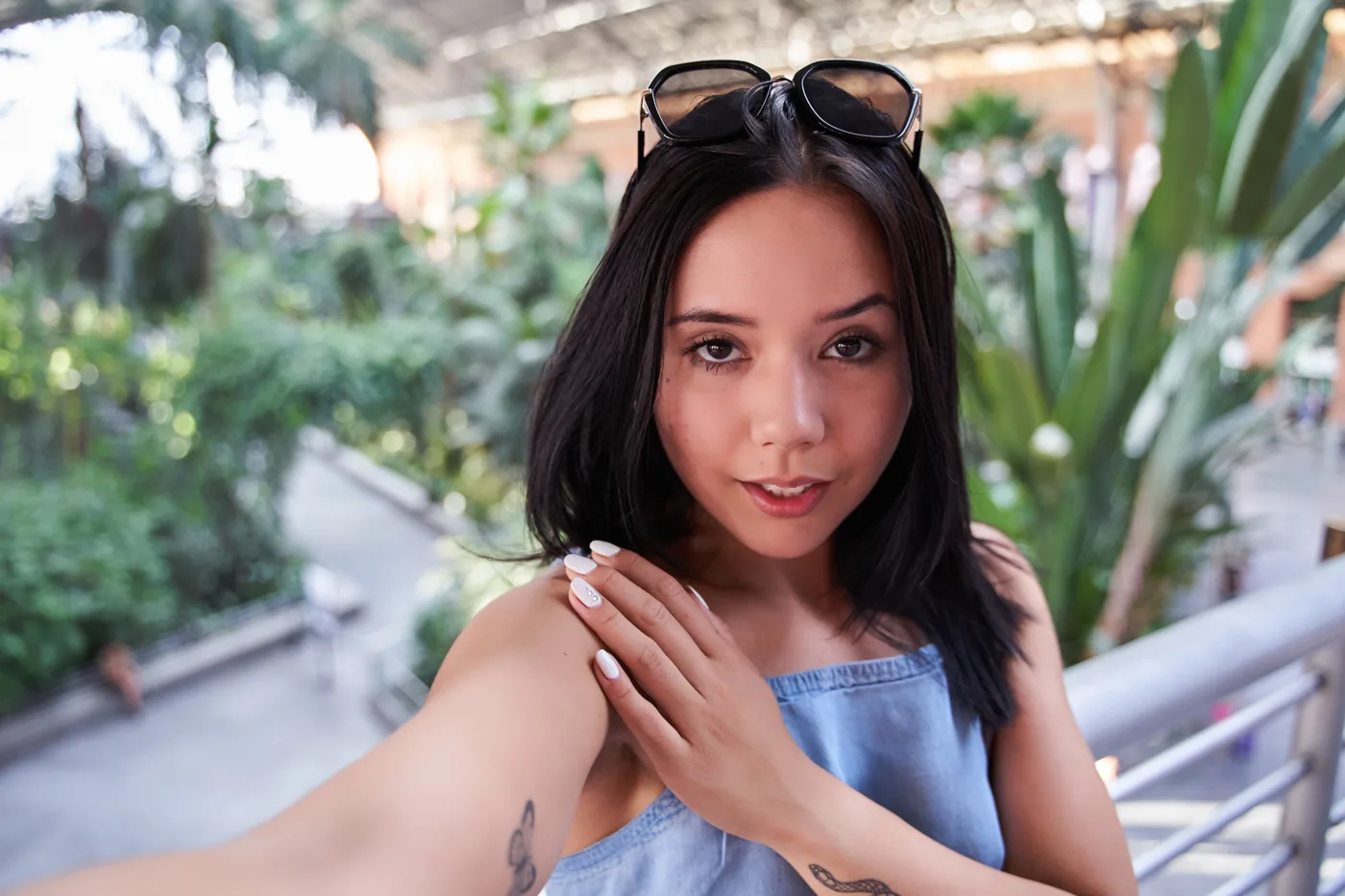
A main portrait should make it clear which person owns the profile. A distant group shot, sunglasses that cover much of the face, or a dark image may leave a viewer guessing. You do not need a professional session, but enough light and a simple composition help.
Ask a trusted friend to take a few photographs during an outing rather than trying to manufacture a perfect expression alone. Leave room around the face so that a square or narrow crop does not cut it off. Check the preview actually shown by the service before publishing.
If a photo includes another person, obtain their consent and consider whether it creates ambiguity about your relationship. An image that requires a long explanation may not be the best introduction. You can show a social life through your bio without placing other people in a public dating profile.
Inspect the Background Before Uploading
Look for details you would not intentionally share with a stranger: an employee badge, mail, a street number, a child's school logo, a car plate, or a screen showing personal information. The face may be the subject, but the background can reveal more than you expect.
Choose another photo when removing an identifying detail would make the image awkward or misleading. Do not publish a recognizable home entrance just because the lighting is good. The private profile guide explains how photographs combine with text to make a person easier to identify.
Be cautious about reusing an image strongly associated with a public professional profile if keeping those parts of life separate matters to you. This does not guarantee anonymity, and changing a picture cannot prevent all recognition. It simply makes the choice deliberate rather than accidental.
Show Activities Without Staging a Different Life
An interest photo works when it reflects something you actually enjoy. You do not need to borrow a dramatic hobby, luxury setting, or athletic identity to make the profile seem more desirable. A modest activity that you can talk about naturally is more useful than an impressive scene with no connection to your life.
A walking route, a craft project, a music event, or a favorite kind of food can all supply context. Avoid posting a predictable routine with enough detail to locate you at a particular time. You can describe liking weekend walks without showing a route map from your front door.
Pair the photo with a caption that invites conversation: “The first loaf I was happy to share” says more than “Living my best life.” Keep the caption true, concise, and free of identifying information about other people. The profile examples can help connect images and bio details into one coherent introduction.
Do Not Use Appearance as a Health Statement
A photograph cannot establish HSV status, medical safety, or a person's sexual history. Avoid captions that imply someone is healthy because they look a particular way, or that a polished image proves there is nothing to discuss. Health conversations require actual information, not visual reassurance.
The same applies when evaluating other profiles. Attractive photos do not verify honesty, relationship intentions, or consent. A photo-verification process may help establish likeness, but it does not establish medical facts. Our MPWH privacy and safety page keeps those distinctions clear.
If a match asks for a photograph of symptoms or medical records, you can decline. Dating images are for introducing yourself, not for inviting a stranger to diagnose you. Individual health questions belong with a healthcare professional, and sharing intimate medical material can expose more than the conversation requires.
Decide What to Keep Private
You may have photographs you are comfortable sharing only after trust develops. Before using any private-album feature, understand what the current service actually restricts and what a recipient could still save. Limited access is not a guarantee that an image cannot be copied.
Do not send an intimate photo to prove interest or repay someone's acceptance of HSV. A respectful person will accept a no. If the request becomes pressure, reconsider the interaction rather than searching for a compromise image you do not want to share.
For a public profile, choose material you can stand behind as an introduction to a broad audience. For a private exchange, make a separate decision about the specific recipient and the content. One earlier act of sharing does not commit you to more later.
Review the Set as a Prospective Date Would
Look at the images together. Can someone recognize you? Do the photos represent the same period of your life? Is there variety without confusion? Does the set suggest something you would enjoy doing together, rather than only presenting a sequence of poses?
Then read the bio beside them. If the text says you enjoy quiet mornings but every image presents a party scene, you may be communicating a different lifestyle than intended. Neither lifestyle is wrong; consistency helps attract people who are interested in the life you actually want to share.
When the set feels accurate and comfortable, publish it and return to conversation. Replacing photographs repeatedly after every unanswered message can turn normal uncertainty into endless self-editing. Give the profile a chance to represent you, while remembering that a match's response is not a reliable score of your appearance or your prospects for connection.